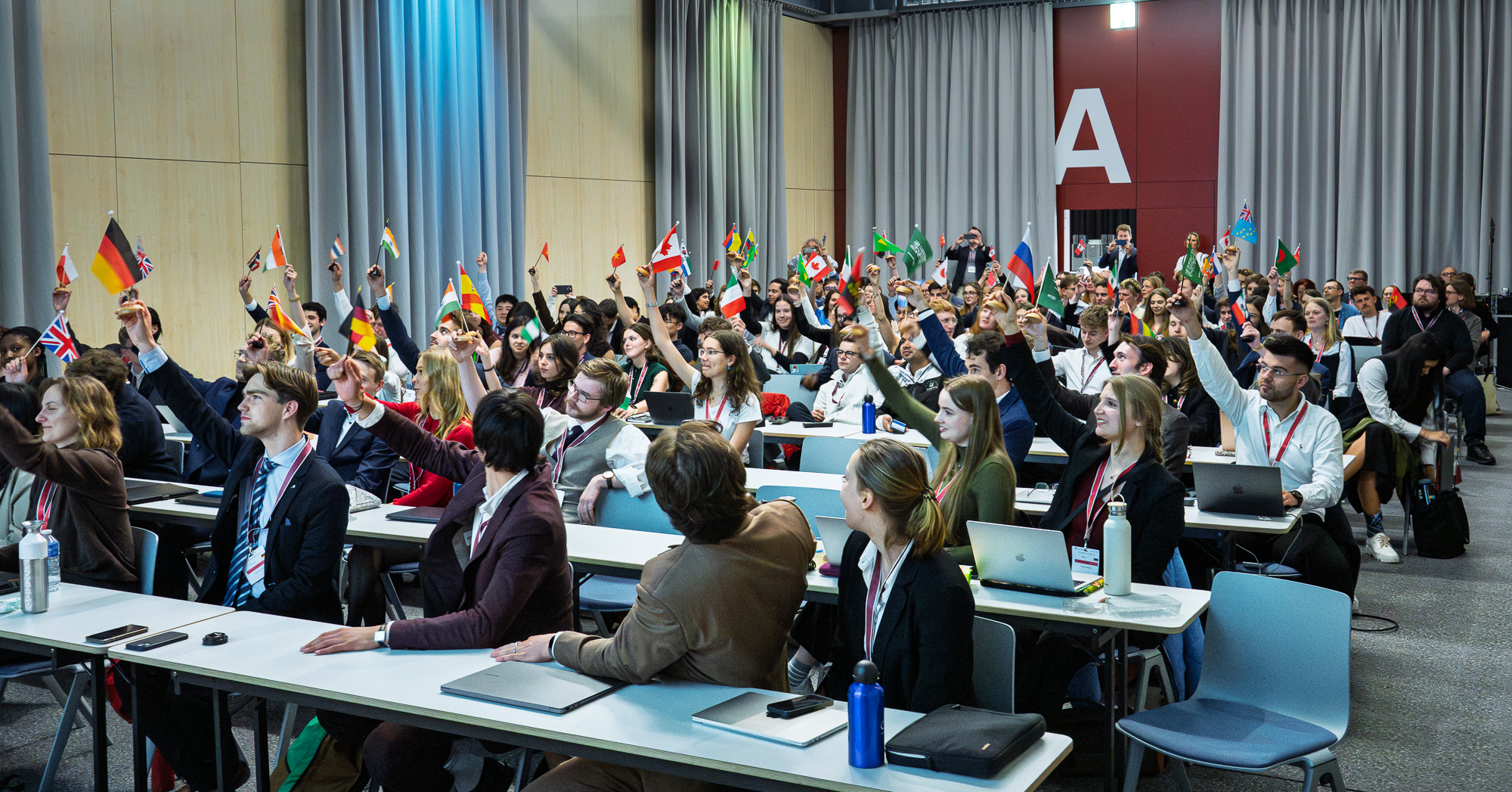
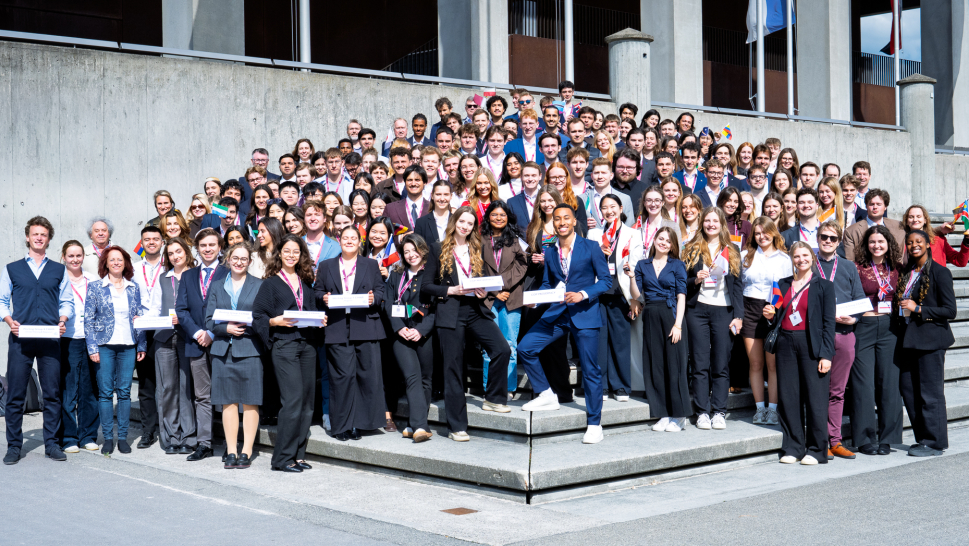
Over two and a half days, participants took on the roles of country delegations, industry representatives, NGOs, and working group chairs, grappling firsthand with the complexities of international climate diplomacy and multilateral decision-making.
The simulation was the culmination of a semester's preparation, during which students researched their assigned stakeholders and explored the political, economic, and social dimensions of global climate governance. Rather than stopping at theory, the exercise immersed participants in the real tensions and trade-offs that define international negotiations.
“What makes the CEMS Model UNFCCC so unique is that it is far more than a traditional academic simulation,” says Dr. Pascal Vuichard, Senior Lecturer Managing Climate Solutions at the University of St.Gallen and organiser of the roleplay. “Students experience first-hand how complex international climate diplomacy truly is and how difficult it is to reconcile economic development, political realities, energy security, social justice, and planetary boundaries all at the same time.”
A long-standing CEMS learning experience
For more than fifteen years, the format has brought together students from different countries and academic backgrounds, creating an experimental learning environment that fosters negotiation skills, strategic thinking, and intercultural collaboration.
“The simulation demonstrates very clearly that in international negotiations every word matters,” Vuichard continues. “Progress is often painfully slow, positions can become deeply entrenched, and suddenly a single formulation in one paragraph can turn into an existential issue. It is precisely this dynamic that makes the experience so realistic and educational.”
Preparing future CEMS leaders for global challenges
The CEMS Model UNFCCC is widely regarded as one of the most practice-oriented learning formats in international sustainability and climate policy. By engaging directly with geopolitical interests, economic trade-offs, and the realities of the diplomatic process, students leave with a richer understanding of how global climate policy is made and why putting it into practice remains so difficult.
With this year’s edition, the University of St.Gallen once again reaffirmed its commitment to innovative, practice-oriented teaching in sustainability and international governance.